
Reference
How to Identify Hydraulic Hose — Learn Fittings
Identify hydraulic hose by SAE standards, construction (single spiral suction, single, double, four and six braid) and the layline markings that show ID, working pressure, standards and part number.
How to Identify Hydraulic Hose
Most hydraulic hose manufacturers voluntarily use the SAE standards for hose performance, dimensions, and general specifications.
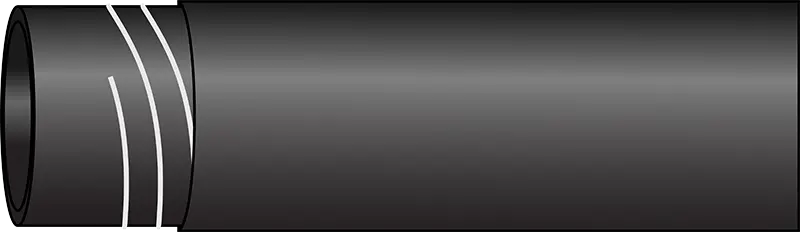
Single spiral suction hose
- The hose that supplies oil from the reservoir to the pump
- Has 1 steel wire wound through to keep the hose from collapsing
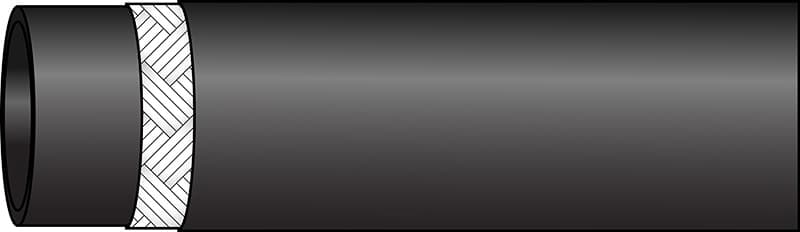
Single braid
- 1000 psi or under (typically)
- Applications: wet kits on semis and trailers, small utility lifts, and return lines
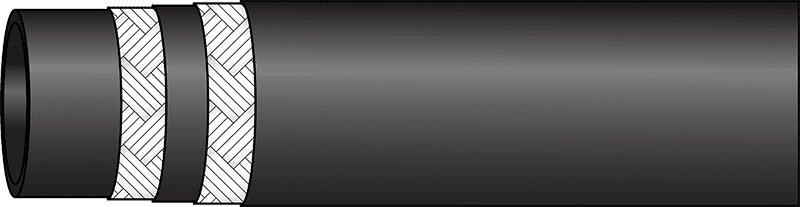
Double braid
- 2500-4000 psi (typically)
- Good longevity
- Application examples: lawn tractors, skid steers, small agricultural equipment, and Railroad
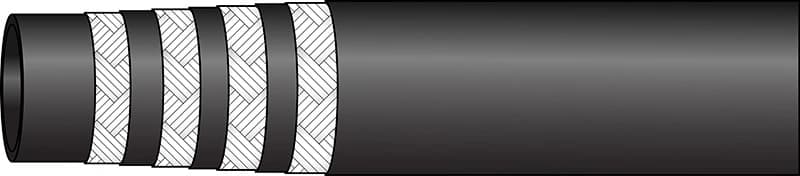
Four braid
- 4000 psi (typically)
- Great longevity
- Application examples: Construction, Agriculture, and Forestry industries
Six braid
- 6000 psi (typically)
- Great longevity
- Applications: Large construction equipment, Large Ag equipment, Mining, and Forestry industries

Hose Layline
The hose layline gives important information including, inside diameter, working pressure, manufacture standards, and part number.
